I sat down with curator eunice bélidor and arts administrator Dejha Carrington to discuss what have become reductive ideas about the role of art museums, my own included.
 Lise Ragbir
January 19, 2026
— 12 min read
Lise Ragbir
January 19, 2026
— 12 min read
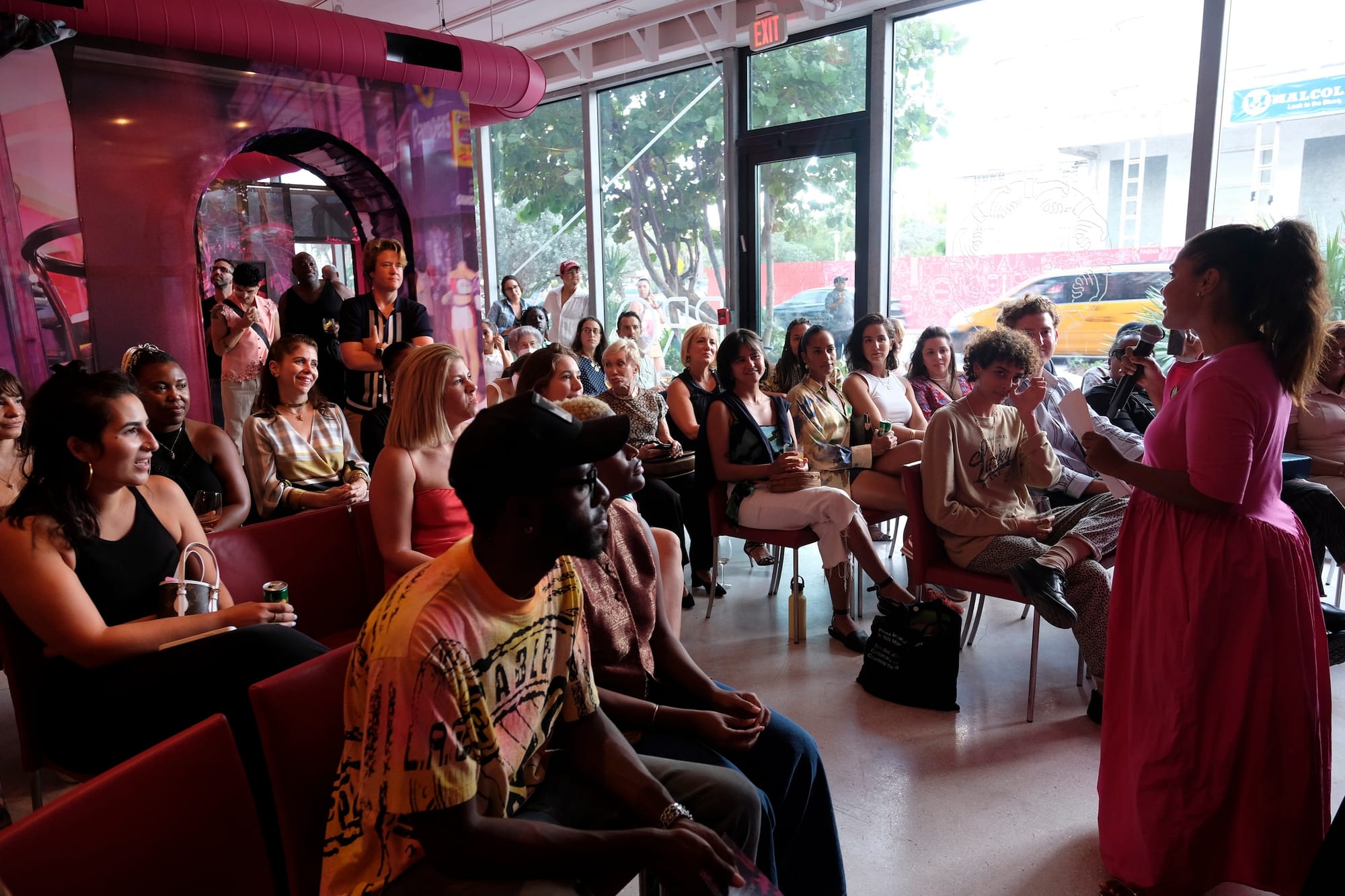
 Dejha Carrington leading a Commissioner program in Miami (photo by and courtesy Chantal Lawrie)
As we began 2025, optimism was tested in new ways — bringing to the surface what many of us in the arts had long felt simmering. DEI efforts were forcibly rolled back amid mounting political intervention in museum narratives, and high-profile disputes over representation and authorship played out in public.
After Amy Sherald withdrew her exhibition American Sublime from the Smithsonian Institution’s National Portrait Gallery in July, citing concerns over curatorial and interpretive constraints, it was instead taken up by the Baltimore Museum of Art, underscoring how artists were no longer simply negotiating within institutions but actively rerouting around them. The public governance turmoil at the Philadelphia Art Museum was emblematic of a moment in which authority, ownership, and leadership were all being renegotiated at once.
Across labor, authorship, and governance, new precedents were being set in real time, without a shared roadmap for what comes next. By year’s end, it was clear that the institutional landscape was changing — not slowly or subtly, but through a series of loud, brash, consequential decisions that revealed just how unsettled the field had become.
At the top of 2026 — over snacks and next to a fireplace — I sat down with curator eunice bélidor and arts administrator Dejha Carrington to exchange questions and reactions to the increasing scrutiny of museums. Each of us, in our own way, works beyond but adjacent to art institutions in ways that speak to an evolving field, but still recognize the significance and necessity of these spaces.
These conversations are not new for us; we have long shared conversations that move quickly into complexity. And this one felt like a moment to pause and record.
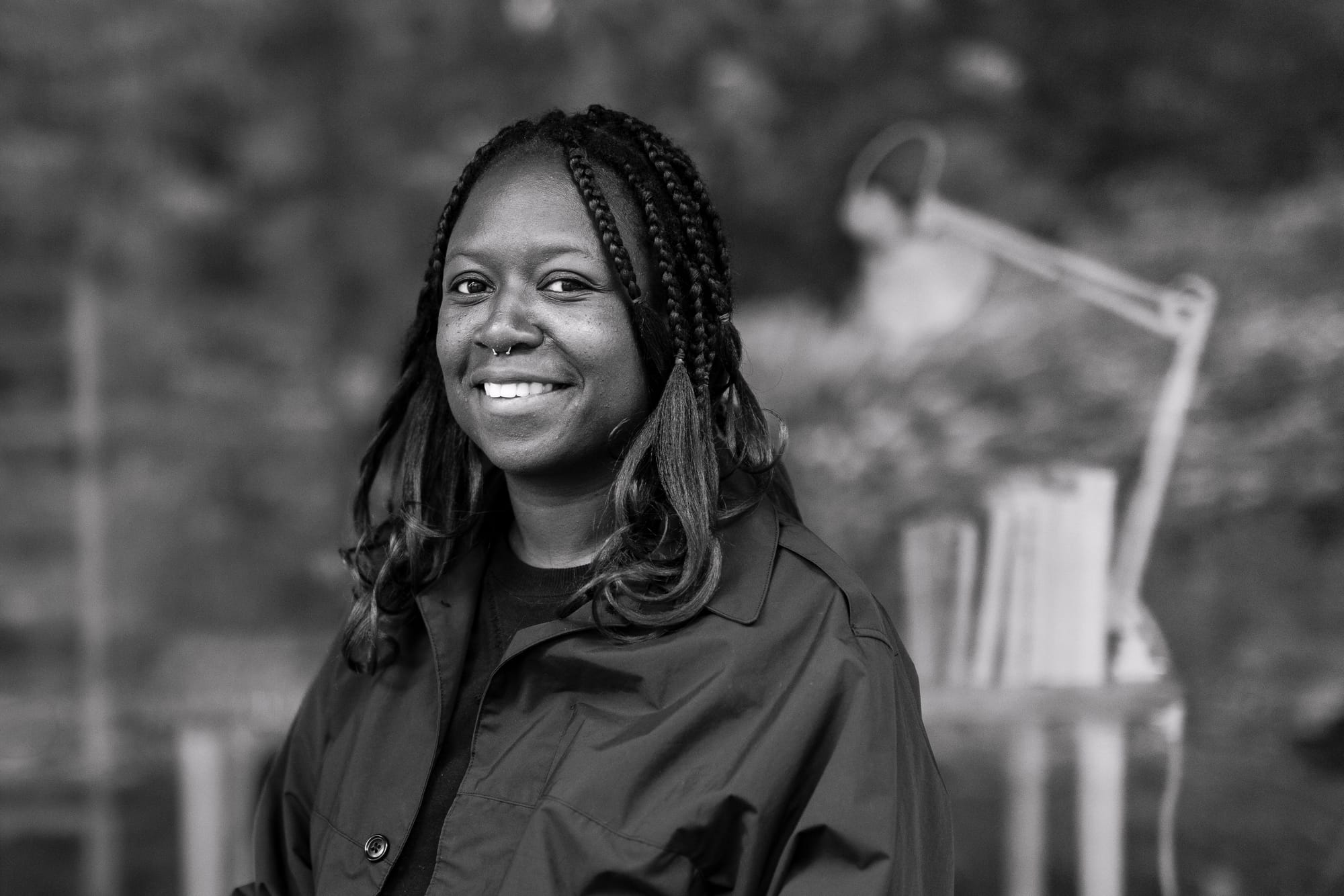
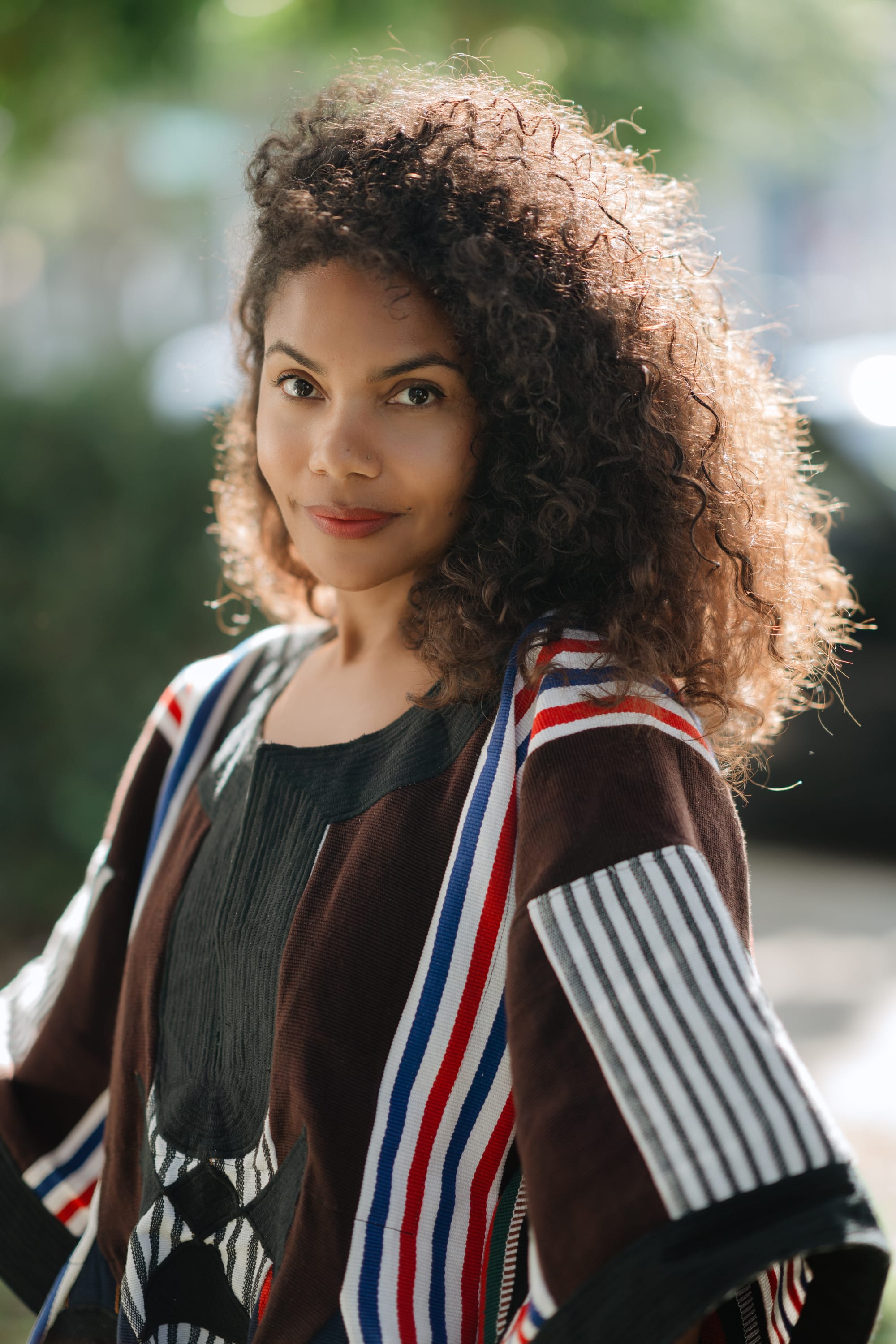
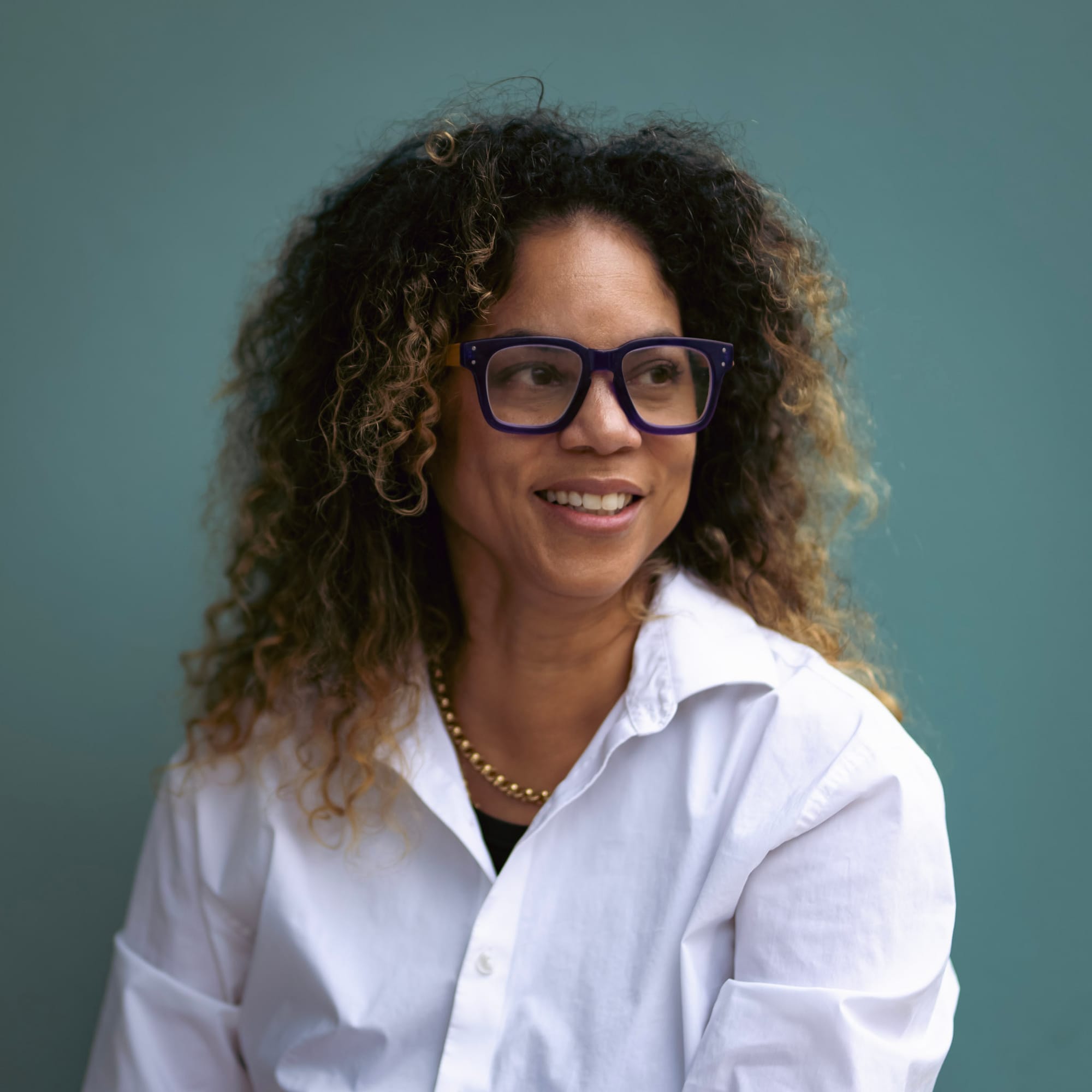
Left to right: eunice bélidor (photo by Jean-Sébastien Veilleux), Dejha Carrington (photo by Chantal Lawrie), and Lise Ragbir (photo by Hakeem Adewumi)
bélidor is a scholar-in-residence at Concordia University in Montreal, where she lectures about curatorial practices and theory. As an independent curator, her research explores the intersection between letter writing, radical hospitality, and speculative archives.
Carrington is a co-founder of Commissioner, an organization that explores collaborative and community-led funding models to commission visual artists. Their membership program helps people collect the work of contemporary artists in their cities.
I am a co-founder of VERGE, an agency that seeks to bring exceptional talent and exceptional institutions into alignment where both are set up to thrive.
As art institutions determine how they fit into an evolving social and political landscape, this discussion is shared to expand what have become reductive ideas (my own included) about the roles, responsibilities, and potential of art museums. The following conversation has been edited and condensed for clarity.
Lise Ragbir: As the art landscape shifts, cultural workers and critics, artists and curators, collectors and audiences, are openly grappling with what museums are for — and how they operate. Among these conversations, what stands out?
Dejha Carrington: I recently read an essay about the relevance of museums, and what struck me the most was this idea that art had fallen into the bucket of “content.” That conflation — between what is art, and what is content — is significant.
LR: eunice, museum content falls squarely on the shoulders of a curator. It is seen as a curator's responsibility to mine, understand, and share that content. But we're seeing a shift in how curators engage with this idea of content.
eunice bélidor: Art is not just content. Artists and objects are kind of the vocabulary to do that storytelling. If we look at art and artists only as content creators, we lose the purpose of art-making. Making isn’t just producing an object; it’s about channeling energy or a story through something that can be understood by different people.
LR: And that emphasis on reach …
eb: … has flattened art into content for the masses. Popularity and visibility become the metric. But reach alone doesn’t tell us much. That’s the difference, for me, between content and storytelling.
LR: Since we’re talking about reach, it’s worth considering, too, if or how institutions stand to narrow the story by containing experiences. If art is an experience that transcends language, ultimately that experience can transcend a space. Dejha, how does Commissioner’s work intersect with this idea?
DC: Language requires participation and exchange. We talk about meaning-making, but not always about the receiving of meaning — or how that exchange actually happens. When I think about art as a language, I’m thinking about how we are co-creators and collaborators, both informing and receiving within an ecosystem of meaning-making.
LR: I’m hearing a shared resistance to treating art as static — whether as content or object — and instead understanding it as something that moves, gathers, and accumulates meaning through relationships and through space.
eb: When I think about the work that you do, Dejha, it expands the notion of space and where we experience art. When people gather to collaboratively acquire works, everyone is developing a story with the artist. But the artist is also developing a story with them — with their homes, the places where the work will live, their families, and the future conversations that will unfold when others encounter that work. So where do people experience art? And who is the public? It doesn’t have to be a general public. Can it be an intimate public? I’m very interested in these ideas.
DC: Public institutions are hugely important, but not at the expense of the generational conversations that we're having at our kitchen tables, where an art piece can also continue to exist from one person to another. Not all conversations need to take place in institutions, and decentralizing this idea of a singular voice makes way for multiple stories to coexist. We need to cultivate many different perspectives and as many different relationships to the work as possible. Institutions can help carry these conversations in perpetuity, but so can people from one generation to another.
LR: The three of us have centered our careers around notions of alignment — meaningful connections between art, people, and place or institution. Historically, museums might have served as the hub of a wheel of alignment, as places of gathering objects that stand to gather people. But we've moved beyond the idea that everybody should come into one space to align with a work of art or works of art in one way. In 2026, it's about finding ways to create meaningful alignments that have longevity. What does this kind of alignment mean to you?
DC: When we talk about accessibility or alignment, it’s easy to reduce a conversation about barriers to entry or programming. We could have a free Friday, or host a community program, and that's enough. But meeting people where they are requires layers of unlearning that museums aren’t always equipped to do. Alignment, for me, is about creating multiple points of entry — through organizations, individuals, and relationships — rather than assuming a single institutional solution. The opportunity for deeper storytelling isn't for the story itself. It's a relay of memory so that we can build on knowledge of who we are, where we come from, and how we relate to each other.
eb: In some ways I think that art institutions are their own barriers. Accessibility is not just giving access to things, but making yourself accessible to other people's experiences. This is a challenge for museums.
LR: You’ve both talked about how institutions do, or don’t, play a role in storytelling or alignment. Do you think you need to leapfrog the institution? Or maybe it’s not about leapfrogging at all.
DC: I see it more as conspiring but with loving hands. Institutions are capable of evolving so they are legible to a wider audience. By providing more choices or different points of entry to accommodate different lifestyles, people can choose how they wish to engage.
eb: Museums often focus on an artist and their career, and the impact of their work through a broader art historical perspective, because that's mostly the purpose of a museum. But often exhibitions aren’t about those things. They are about the artist’s thoughts, or the things they've experienced that led them to become the artist. These things are as interesting as the story of artists themselves. The institution's focus doesn’t always align with what audiences are looking for.
DC: But institutions are groups of people applying what they've learned in said frameworks and systems. If we expand who those participants are, there might be new methodologies that reshape how these institutions evolve.
eb: Is there an intersection between the work you do at Commissioner and that of museums?
DC: Since we launched in 2017, we've collaborated with over 175 museums, galleries, organizations, collectives, etc. Commissioner only works because we are constantly in partnership with institutions and people. Period. Collaboration is core. We want to make our programs cost-light, participation-heavy. And that only works through these partnerships.
LR: It sounds like what you’re both describing isn’t opposition to institutions, but a kind of strategic adjacency. Are you describing a redistribution of power? If so, eunice, how does your curatorial practice intersect with this redistribution?
eb: Working at institutions made me realize how people understand the role of the curator as, in some ways, the top of a pyramid. And the decisions they make, and ideas they propose, have such a high value in the scale of art-making decisions. But curators work for artists. You want to make sure they create, and that the work they create is made public in a way that is not one-dimensional. Audiences need to experience the work in multiple ways. That’s my role as a curator: to make more perspectives understood through the work.
LR: Do you have a responsibility to interpret the work?
eb: Yes. But I also have to make sure that my interpretation is one interpretation. You don't have to understand the work through my perspective, but by telling you my perspective, it values the fact that you also have one that is different from mine that is as valuable in the understanding of the work. All of these different agents are as important and equal in the scale of art presentation. And I like to think that that's what I do with my curating. I make sure that we work collectively to uplift each other's way of understanding different art practices, and by showing that we all view this art through different perspectives, the public understands that their perspective is as valuable as the curators’.
LR: Do you have to shape that?
eb: I tell my students that curating is not just about putting beautiful things together. When you understand this, all of the different constellations that make up a curatorial practice come together. For me, being a curator is really about making relationships, and making those relationships legible and welcoming to people who are not in the relationship. The many ways in which I try to open up this relationship are part of curating. I often think that the best curators don't always consider themselves to be curators, because they do so many things for the curating to happen. And for me, you're a perfect example, Dejha.
DC: Me?
[all laugh]
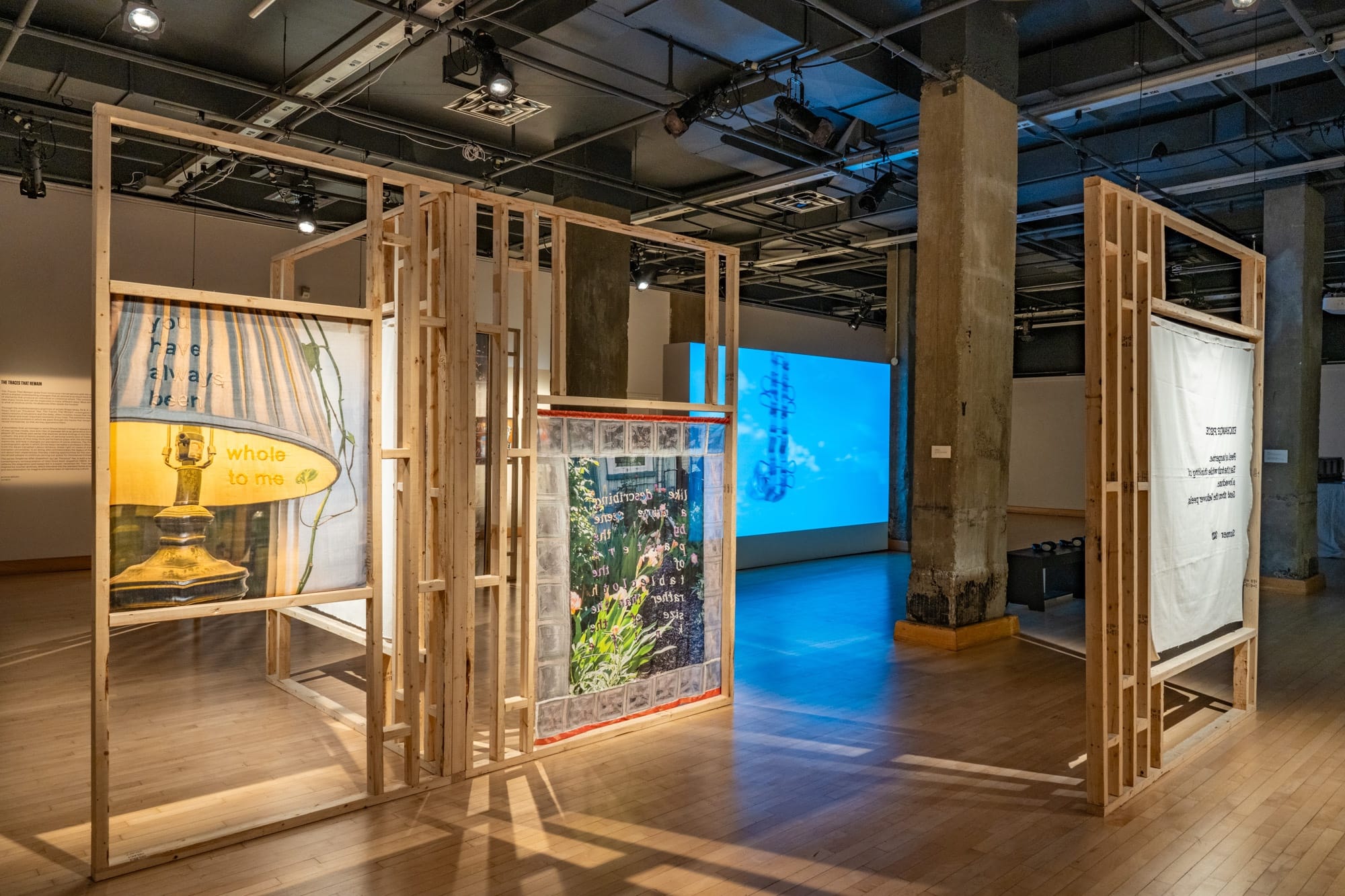 Installation view of Traces that Remain (2025), curated by eunice bélidor, at Montréal, arts interculturels (photo by Paul Litherland)
DC: When you’re curating a show, eunice, and when you're working with an artist at an institution, how aware are you of the institution's presence? Does it feel like you are creating a protected space? Does the institution figure into your process?
eb: When I’m invited to curate a show, a certain kind of relationship is already established when I accept. That’s when I start to think about the exhibition that I want to do, depending on the size of the space, the resources of the space, once I have a clear understanding of what the institution can bring. So yes, the institution itself plays a major role in either the way I make the exhibition or what I can provide to the artist while they are in the space.
LR: That's such an interesting take, because you're describing the institution as a supporter of the artist, and you, as a curator, are a broker.
DC: I framed my question as, Do you feel like Big Brother is present when you're curating? And you took it to a different place — actually not acknowledging this power dynamic, but instead looking at it as a space of resource, purposefully setting aside this Big Brother mentality. When we talk about institutions we talk about them like they all belong in one big box. But it sounds like you're very intentionally not lumping them together, but looking at everything as its own set of opportunities and resources.
eb: I intentionally spoke about being invited to curate these exhibitions. If you're inviting me, then we're going to play level field. And then, based on what you're providing, I can bring in the artist and do the curatorial work that you won't necessarily be able to do without me. If I'm invited, then I will just get comfortable right away.
The artists want to have their work on display, and I am working for that to happen. So I need to make sure that I'm the bridge between the institution and the artist. I really want the artist to just have a space to exhibit, rather than being entangled with the dynamics of the institution.
LR: You raise a great point: the distinction between an independent curator and a curator who is embedded in the institution. We’ve talked about Maroonage in other conversations — moving beyond the system. You’re doing that.
DC: Yeah, it's the same dynamic. Adjacent. We're talking about how we constellate around each other, not one within, or even one organizing from without, but really through different organizing systems. And when we intersect and align, we do, and when we don't, we don't.
LR: You both recognize the sort of opportunities that the institutions can provide, and the valuable ways in which institutions can contribute to the ecosystem. But the value isn’t the same as it has been historically.
DC: It’s not only that the value is different. It’s because often I don't see myself or Commissioner just working with institutions. I see us working with specific people who work at these places. I'm not thinking about us working with the institution: We’re collaborating around an idea, around an artist, around a curator. That also allows us to move with a lot more fluidity. A person working at an institution might be creating expansive conditions that run circles around an otherwise restrictive system. Let's not forget how many people within said places are also pushing the framework.
LR: A two-part question: What's the next iteration of institutions, and what is the next iteration of the value that we place on institutions?
DC: Ultimately, it'll be up to people to decide how much they care about institutions and organizations, and to determine their value in society. From my perspective, the future of institutions is going to be community-led. It is up to us to stand up for what we care about. I also think that organizations and models like ours exemplify why it's important to have as many spaces as possible for memory-keeping and for meaning-making.
LR: Where do galleries fit into this?
DC: There are so many folks who I admire in the gallery spaces doing the tremendous work of being the bridge — helping artists cultivate a professional and sustainable practice, and working diligently in partnership with artists, allowing them to focus on the things they care about most. Those galleries will thrive. More and more collectors, and art supporters, are looking for value alignment. They’re looking for spaces that are willing to go the distance beyond the financial or transactional and that align with them from a values perspective. Do I think that values are going to win the world? It would be too sad to say otherwise. And my mind won't allow me to think that a lesser power will win.
LR: What does winning look like?
DC: The big ruse for disenfranchising people from art and supporting artists has been that it only belongs to the elite. When really, we are all collectors by nature; when we talk about our grandmother's altars, the cabinets of curiosities that exist in our living rooms. This idea that art only belongs to a precious few has only served those few. Part of our work is to do away with these misconceptions. Collecting art can be an act of care that takes shape out of the love and appreciation of a person or of an idea — that could be enough for us to see each other not as a product of labor, but as a divine person in relationship.
eb: I recently read an essay that explored the idea of connoisseurship and how, historically, art critics and art historians became connoisseurs of artists out of the love they had for the artist. This meant they would hang around in their studio, or follow the artists around. Connoisseurship went beyond the objects. Connoisseurs had a deep knowledge of who the artist was, and what they were doing, because they loved them.
LR: Maybe artists, curators, collectors, and institutions — the entire ecosystem — is circling back to that idea of connoisseurship and trying to bring the relationships that you’re talking about, eunice, to as many people as possible. Decentering the labor. We've been trained to be valued on our labor — measured by how we contribute to the system. But we're at this precipice, it seems; able to consider how we contribute, or not, to a system that was never built for us, instead of only trying to clamor into it.
DC: The work that we do is in service of liberation. It's about liberating ourselves from this idea of empire, and unlearning systems around value. This is work we need to do together. Maybe that's the part that I'm most proud of with Commissioner — it’s not a collecting program to just help people collect work to put in their homes. But it's the work that we do together that allows everyone to participate. It's the together work. That is the winning work.